

Buy Mirtazapine online: A complete analysis of an antidepressant
Introduction
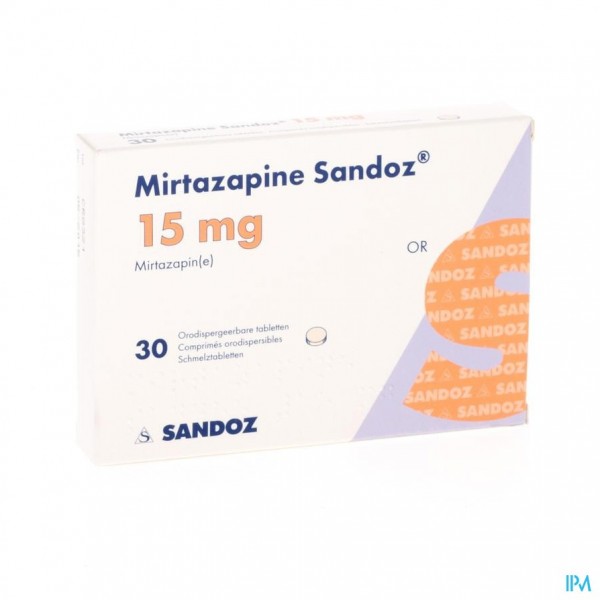
Mirtazapine 15 mg is a widely prescribed antidepressant commonly used to treat major depressive disorder. It belongs to a class of medications called serotonergic-noradrenergic-specific antidepressants (NaSSAs). Mirtazapine works by increasing the levels of certain neurotransmitters in the brain, such as serotonin and norepinephrine, which are responsible for regulating mood. This article aims to provide a comprehensive overview of mirtazapine, including its mechanism of action, therapeutic uses, potential side effects, and precautions.
Mechanism of action
Mirtazapine works by blocking certain receptors in the brain, particularly alpha-2 autoadrenergic receptors and heteroreceptors. By blocking these receptors, this medication increases the release of serotonin and norepinephrine. This dual action distinguishes it from other antidepressants, such as selective serotonin reuptake inhibitors (SSRIs), which primarily target serotonin. Increased levels of these neurotransmitters help relieve the symptoms of depression and improve mood.
In addition, mirtazapine also acts as an antagonist of certain serotonin receptors, particularly the 5-HT2A and 5-HT2C receptors. By blocking these receptors, mirtazapine further enhances serotonin release, contributing to its antidepressant effects.
Mirtazapine Therapeutic Uses
Mirtazapine is primarily prescribed for the treatment of major depressive disorder. It is particularly effective for people experiencing symptoms such as insomnia and depression. The medication can help improve sleep patterns, increase appetite, and reduce anxiety symptoms. This makes it a valuable option for patients with these specific symptoms.





Reviews
There are no reviews yet.