
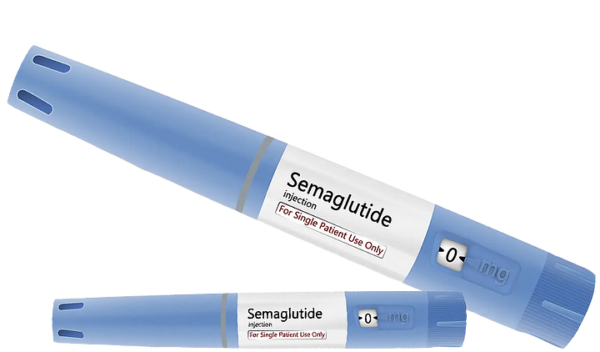
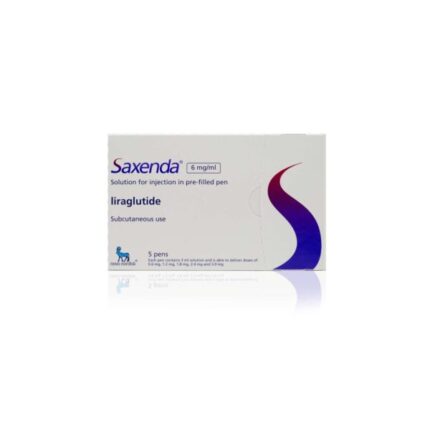
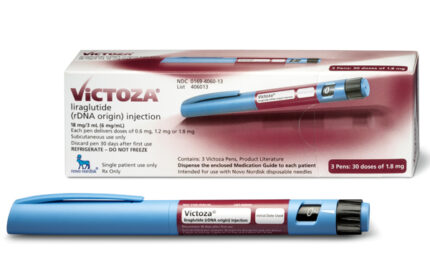
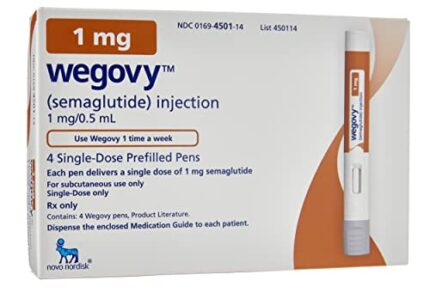
Buy Semaglutide without a prescription.
Semaglutide injections are available in USA without a prescription. Type 2 diabetes is a chronic disease affecting millions of people worldwide. Despite advances in treatment options, managing blood sugar remains a challenge for many. However, a revolutionary drug called semaglutide has emerged as a promising solution.
Mechanism of action
Semaglutide belongs to a class of drugs called glucagon-like peptide-1 receptor agonists (GLP-1 RAs). GLP-1 is a hormone naturally produced in the intestines that stimulates insulin secretion, reduces glucagon release, and slows gastric emptying. By mimicking the effects of GLP-1 , semaglutide helps regulate blood sugar levels in people with type 2 diabetes.
When administered once weekly by subcutaneous injection, semaglutide activates GLP-1 receptors in the pancreas, leading to increased insulin secretion in response to elevated blood glucose. This mechanism helps control postprandial glucose excursions and reduces fasting plasma glucose levels.
Semaglutide Efficacy
Clinical trials have demonstrated the impressive efficacy of semaglutide in the management of type 2 diabetes. In a study of over 3,000 participants with poorly controlled diabetes, semaglutide significantly reduced HbA1c levels compared to placebo. HbA1c is a measure of long-term blood sugar control. Furthermore, lower levels indicate better diabetes management.
Furthermore, semaglutide has demonstrated superiority over other GLP-1 receptor agonists in terms of weight loss. Comparing this medication to dulaglutide resulted in more significant weight loss. This is particularly beneficial for individuals with type 2 diabetes who are struggling with obesity. Weight loss can improve insulin sensitivity and overall blood glucose control.
Semaglutide Safety Profile
Semaglutide has generally been well tolerated in clinical trials, with the most common side effects being mild to moderate gastrointestinal symptoms such as nausea, vomiting, and diarrhea. These side effects tend to decrease over time as the body adjusts to the medication. It is important to note that the incidence of severe hypoglycemia (low blood sugar) is relatively low with semaglutide, making it a safer option compared to some other antidiabetic medications.
However, as with any medication, there are certain precautions to consider. Use this medication with caution in patients with a history of pancreatitis or medullary thyroid carcinoma. Furthermore, it is not recommended for people with type 1 diabetes or diabetic ketoacidosis. As always, it is crucial to consult a healthcare professional before starting any new medication. Semaglutide injection is available in France without a prescription.
Potential advantages
Semaglutide offers additional benefits that make it an attractive option for people with type 2 diabetes. Furthermore, semaglutide can improve cardiovascular outcomes. It also reduces the risk of major adverse cardiovascular events such as heart attacks and strokes. This is particularly important given the increased cardiovascular risk associated with diabetes.
Furthermore, semaglutide has demonstrated positive effects on kidney health. It also reduces the risk of declining kidney function and the need for kidney replacement therapy. These findings suggest that semaglutide may have a protective effect on the kidneys. Equally important, it is crucial for people with diabetes who are at higher risk of developing kidney complications.
Conclusion
Semaglutide represents a significant advancement in the treatment of type 2 diabetes. Furthermore, its mechanism of action and potential benefits for cardiovascular and renal health make it a promising option for people living with this chronic condition. Finally, discuss the potential risks and benefits with a healthcare professional to determine the best treatment approach. Semaglutide injection is available in France without a prescription.



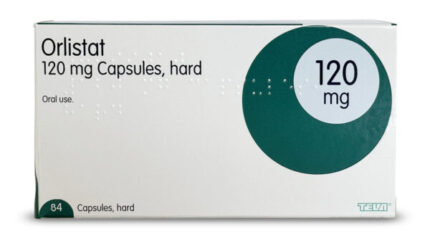

Reviews
There are no reviews yet.