

Buy Zolpidem online: a complete analysis of a popular sleep aid
Introduction
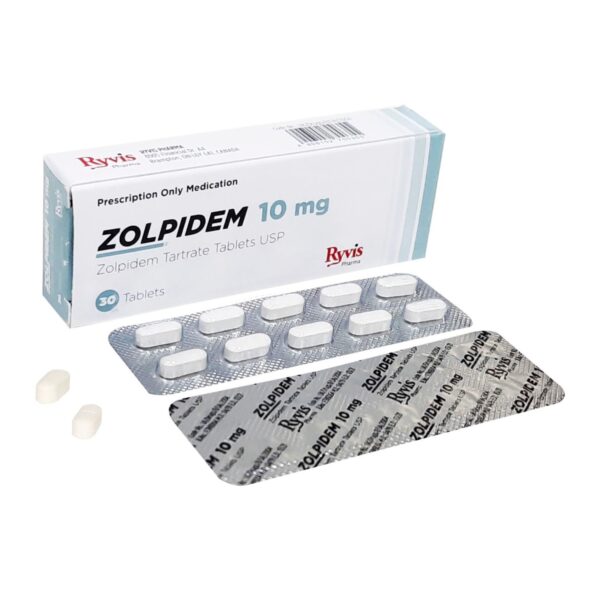
BUY Zolpidem 10 mg, sold under the brand name Ambien , is a popular medication for treating insomnia. As a sedative-hypnotic, it works by slowing brain activity, allowing individuals to fall asleep more quickly and stay asleep longer. In this article, we will delve into the mechanism of action, potential side effects, and precautions associated with zolpidem.
The mechanism of action
Zolpidem 10 mg belongs to a class of medications called non-benzodiazepine hypnotics. It acts on gamma-aminobutyric acid (GABA) receptors in the brain, enhancing the inhibitory effects of GABA. In addition, it promotes relaxation and sedation, making it easier to fall asleep and stay asleep. Unlike benzodiazepines, it has a shorter half-life, which reduces the risk of lingering drowsiness upon waking.
Although zolpidem is generally effective in treating insomnia, use it only for short-term management. Prolonged use can lead to tolerance and dependence, making it less effective over time.
Zolpidem Potential Side Effects
Like all medications, zolpidem has potential side effects. The most common include drowsiness, dizziness, and headaches. Some people may also experience gastrointestinal problems such as nausea or vomiting. In addition, it’s worth noting that this medication has been associated with rare cases of potentially dangerous sleepwalking. To minimize these risks, it’s essential to take it exactly as prescribed by your doctor. Avoid alcohol or other sedatives, which can increase its effects.



Reviews
There are no reviews yet.