
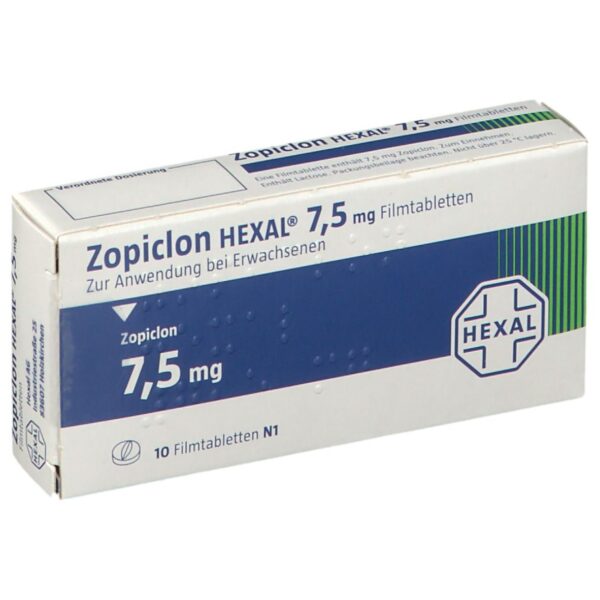


Buy Zopiclone online: A comprehensive review of a popular sleep aid
Introduction
Buy zopiclone for depression in 7.5 mg and 3.75 mg doses. Zopiclone is a popular medication for insomnia and other sleep disorders. It belongs to the class of hypnotic drugs, which work by affecting chemicals in the brain that may be imbalanced in people with sleep problems. Furthermore, this article aims to provide a comprehensive analysis of zopiclone, including its mechanism of action, therapeutic uses, potential side effects, and precautions.
Understanding the mechanism of action
Zopiclone acts on the central nervous system by enhancing the effects of a neurotransmitter called gamma-aminobutyric acid (GABA). GABA is responsible for inhibiting brain activity, promoting relaxation, and inducing sleep. By increasing GABA activity, this medication helps calm the brain and facilitate falling asleep and staying asleep. Unlike benzodiazepines, another class of sedative-hypnotics, it has a more selective action on specific GABA receptors, making it less likely to cause daytime sedation and cognitive impairment.
Zopiclone Therapeutic Uses
Zopiclone is primarily prescribed for the short-term treatment of insomnia. It can also help people who have difficulty falling asleep, staying asleep, or waking up frequently during the night. However, long-term use can lead to dependence and tolerance. This medication is also sometimes used off-label to manage anxiety symptoms due to its calming effects. Buy zopiclone for depression in 7.5 mg and 3.75 mg doses.
Zopiclone: Long-term side effects and precautions
Zopiclone can cause some side effects. Common side effects include a bitter or metallic taste in the mouth, drowsiness, dizziness, and dry mouth. These side effects are usually mild and temporary. However, it can also cause more serious side effects such as memory problems, confusion, hallucinations, or allergic reactions. It is important to consult a healthcare professional if any of these side effects occur.
Use zopiclone with caution in specific populations, such as the elderly and those with liver or kidney failure. Pregnant or breastfeeding women should not use this medication due to limited safety data. Furthermore, do not combine this medication with alcohol or other central nervous system depressants. This may increase the risk of sedation and respiratory depression.



Reviews
There are no reviews yet.